
PAW Physiotherapy and WellnessPAWPhysiotherapy & Wellness
Hip Dysplasia Home Management Toolkit

Your dog has been diagnosed with hip dysplasia. Now what?

You've been told what's wrong with their hips. But what about their walks, playing, jumping on the sofa and everything else they do each day?

Created by a veterinary physiotherapist specialising in canine hip dysplasia, this toolkit helps you understand what the diagnosis means for everyday life, what changes to consider at home and where to start.

One-time payment · lifetime access

Secure checkout · lifetime access to all seven guides · complements your veterinary care

  • 7 physiotherapist-led guides
  • Understand the condition clearly
  • Recognise discomfort at home
  • Practical, supportive changes
A calm, relaxed dog resting peacefully at home
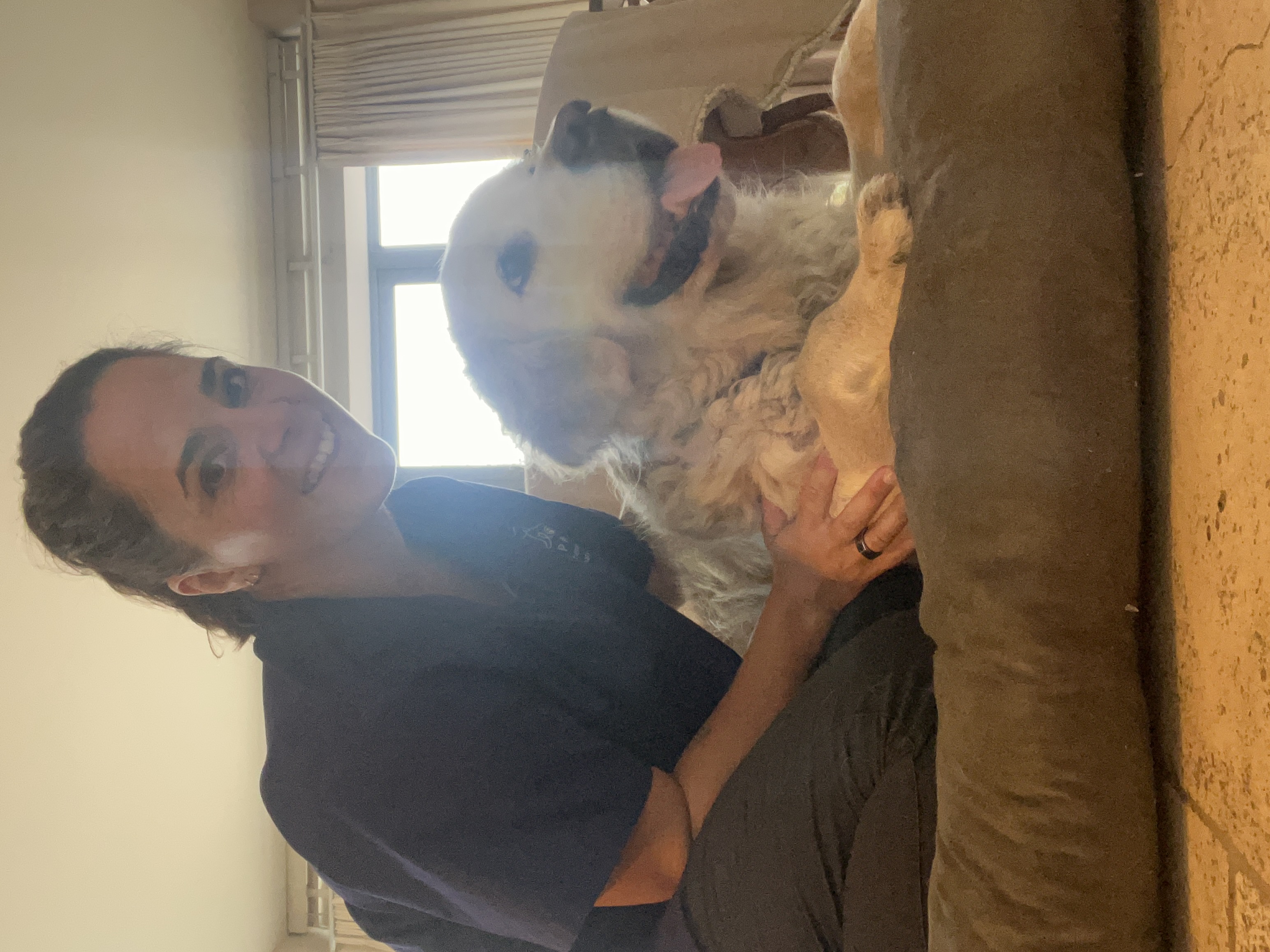
Sarah, registered veterinary physiotherapist
Hi from Sarah

Hi, I'm Sarah, a registered veterinary physiotherapist specialising in canine hip dysplasia.

One thing I've noticed working with these dogs is that owners are often given a diagnosis but aren't always sure what that means for everyday life.

That's why I created this toolkit — to bring together the practical guidance I wish every owner had access to when they're first trying to make sense of their dog's diagnosis.

Sound familiar?

If any of these feel close to home, you're in the right place

  • You've started questioning whether your dog's usual walk is too much.
  • You've found yourself watching how your dog gets up, sits down or walks across the room.
  • You've searched online for advice, but everyone seems to recommend something different.
  • You want to help your dog, but you're worried about doing the wrong thing.

You don't need to figure everything out overnight. You just need somewhere sensible to start.

The questions you might be carrying

The things owners most often wonder after the diagnosis

You're not alone in asking these. Each guide addresses them in plain language.

Can my dog still go for normal walks?

In most cases, yes — but the type, length and surface of walks can make a real difference. The toolkit helps you think through what suits stiff hips and how to read your dog's limits day to day.

Should I stop them jumping on the sofa?

Jumping up and down repeatedly can be harder on sore hips. The guides walk through gentler alternatives and simple home adjustments, so your dog can still be close to you without unnecessary strain.

Are they in pain even though they seem happy?

Dogs are often remarkably good at hiding discomfort. The toolkit helps you recognise the subtler signs and understand when something warrants a call to your vet or physiotherapist.

Am I accidentally making things worse?

It's a common worry. The guidance focuses on practical, supportive changes that work with your dog's condition — and flags where to check with your veterinary team before making bigger changes.

What this helps with

Feel more confident about your dog's everyday care

The toolkit is educational — it won't promise pain relief or clinical improvement. What it does is help you understand your dog's condition and make supportive, informed choices at home.

  • Understand what hip dysplasia means for your dog.
  • Make informed decisions about everyday activities.
  • Identify practical changes that may support comfort and mobility.
  • Recognise potential signs of discomfort and when to seek veterinary advice.
  • Feel better equipped to support your dog at home.
What's included

Seven guides, one considered toolkit

Each guide stands on its own and works as part of the whole — so you can dip in wherever you need to.

A digital educational resource — not an individual assessment or personalised treatment plan.

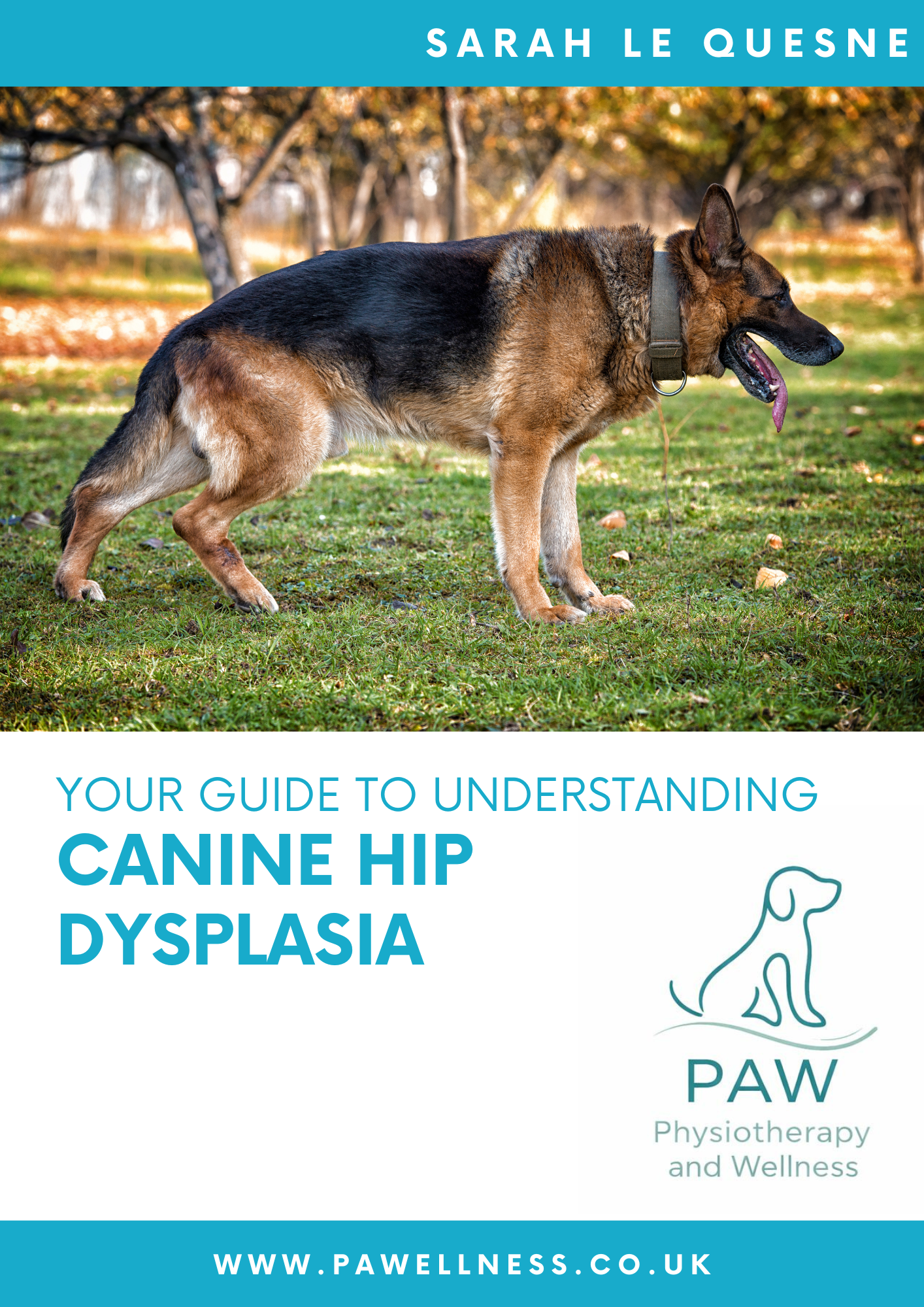
Your Guide to Understanding Canine Hip DysplasiaGuide 01 cover
01

Understanding Hip Dysplasia

A clear, jargon-free explanation of what hip dysplasia is, how it develops, and what it means for your dog day to day — so the diagnosis makes sense.

  • How the hip joint changes over time
  • What the diagnosis actually tells you
  • Words and terms you'll meet at the vet

Beyond the Ball: Creative and Fun Ways to Play with Your DogGuide 02 cover
02

Activities to Reconsider (and gentler alternatives)

Which everyday activities can be harder on sore hips, and practical swaps that keep your dog active and included without overloading their joints.

  • Walks, play and rest that suit stiff hips
  • Alternatives to jumping up and stair use
  • Reading your dog's enthusiasm vs. their limits
Making Your Home Safer: For your dogs optimal health and recoveryGuide 03 cover
03

Creating a Joint-Friendly Home

Simple, affordable changes to your home and routine that reduce strain — from bedding and flooring to where your dog rests and how they get around.

  • Bedding, mats and surface choices
  • Helping with getting up and resting
  • Low-effort adjustments that add up
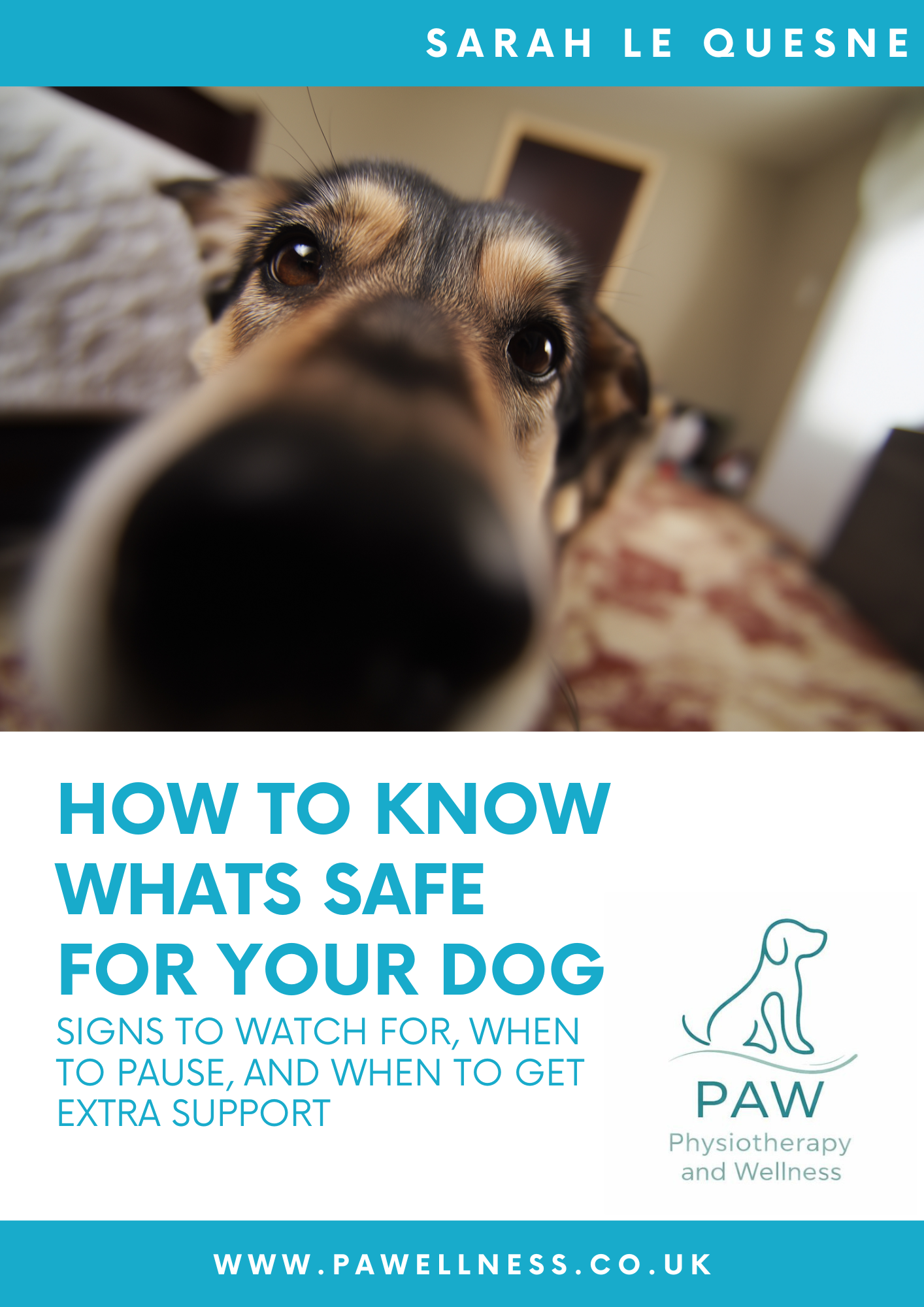
How to Know What's Safe for Your Dog: Signs to Watch For & When to PauseGuide 04 cover
04

When Activity Helps, and When to Seek Help

How to tell the difference between an OK day and a day your dog needs you to ease off, and the signs that mean a call to your vet or physiotherapist.

  • Reading good days and harder days
  • Warning signs that warrant professional input
  • A simple way to track how your dog is doing
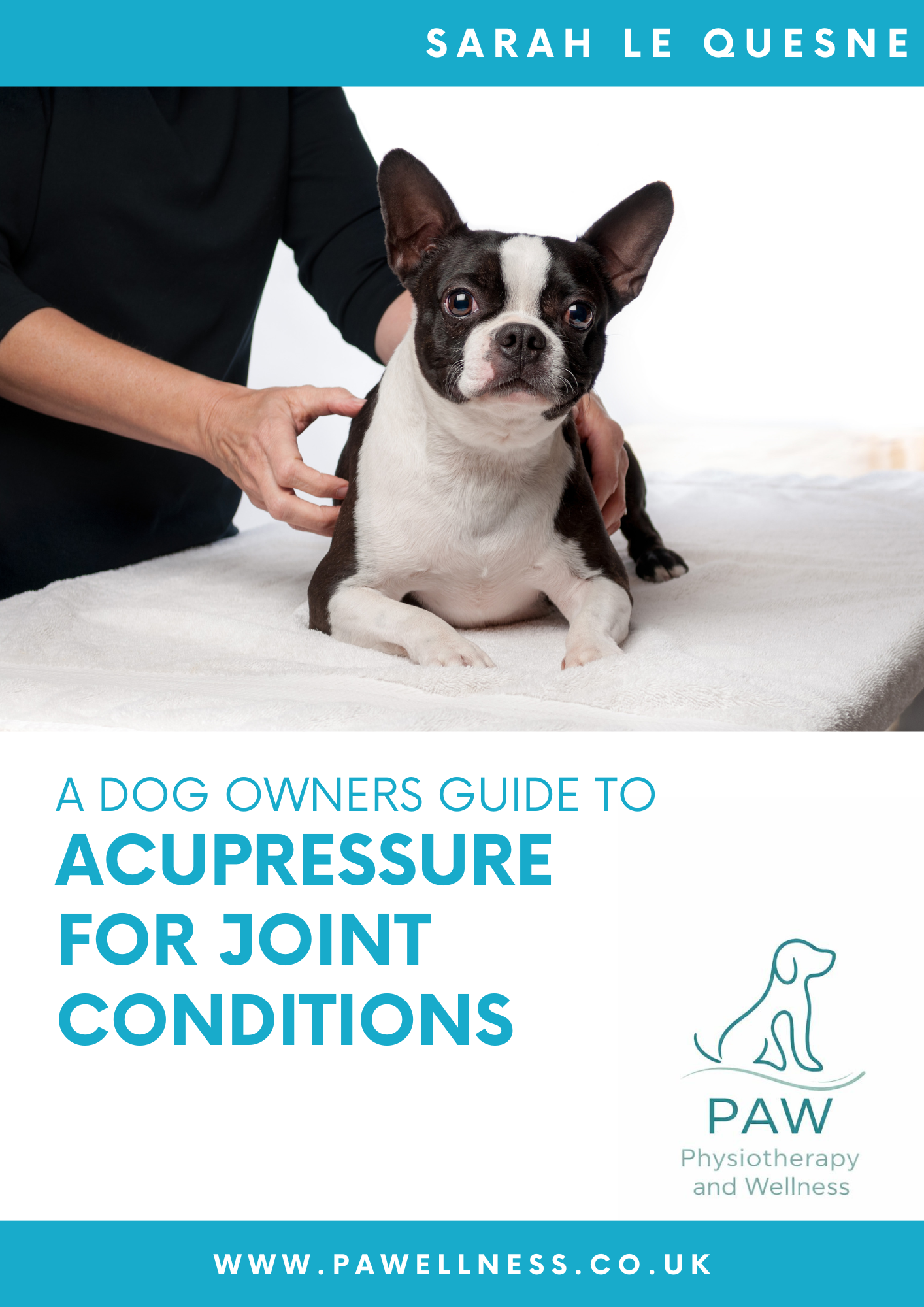
A Dog Owner's Guide to Acupressure for Joint ConditionsGuide 05 cover
05

Gentle Supportive Touch & Acupressure

Calm, hands-on comfort techniques you can offer at home to help your dog feel settled and relaxed — guided clearly, and always alongside (never instead of) veterinary care.

  • Comforting, reassuring touch for your dog
  • Simple acupressure points to try
  • When not to, and how to keep it gentle
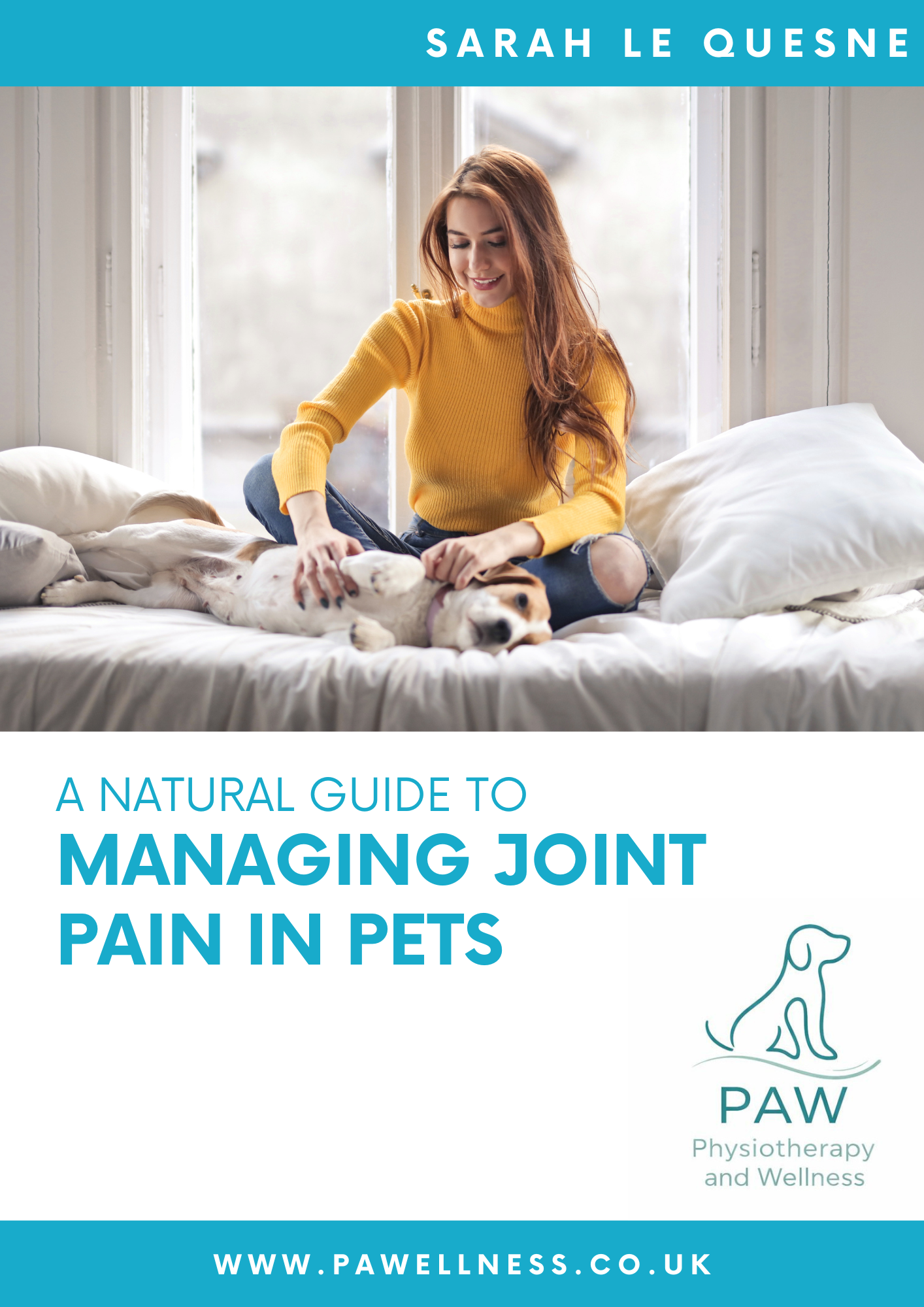
A Natural Guide to Managing Joint Pain in PetsGuide 06 cover
06

Comfort Alongside Veterinary Treatment

How home management fits with your vet's plan — including medications, weight, and the professionals on your dog's team — so everything works together.

  • Working with your vet, not around them
  • Weight, medication and follow-ups
  • How physiotherapy complements care
Creating a Calm Daily Rhythm: And Knowing When You're Doing EnoughGuide 07 cover
07

Creating a Balanced Daily Routine

A flexible framework for shaping an ordinary day — movement, rest, meals and comfort — that supports stiff hips and keeps life steady for you both.

  • A gentle, realistic daily rhythm
  • Balancing activity, rest and comfort
  • Adjusting as your dog changes over time
A resource you can return to

The benefit of having it all in one place

One calm, organised home for everything

Instead of scattered notes and bookmarks, you have all seven guides in a single library you can come back to any time.

Written by a veterinary physiotherapist

Guidance grounded in clinical experience with canine hip dysplasia, translated into everyday language for owners.

There when you need it — for the long haul

Hip dysplasia changes over time. Lifetime access means the toolkit is there at every stage, not just the start.

Practical changes you can act on today

Clear, realistic adjustments for your home, routine and the activities you share — not overwhelming to-do lists.

Sarah, registered veterinary physiotherapist
About your guide

Sarah Le Quesne — registered veterinary physiotherapist

Sarah Le Quesne is a registered veterinary physiotherapist who specialises in canine hip dysplasia. She qualified in 2010 and has spent her career working with dogs with orthopaedic conditions, in both veterinary hospital and private practice settings.

Over the years she's met countless owners trying to piece together home management from fragments of advice. The Hip Dysplasia Home Management Toolkit brings that everyday guidance together — written in plain language, with the same warmth and care she brings to a consult.

Qualified

2010

Specialism

Canine hip dysplasia

Settings

Vet hospital & private practice

Who this is for

Made for owners walking alongside their dog

You've had a diagnosis

Your dog has been diagnosed with hip dysplasia, and you're ready to understand it clearly.

You're juggling advice

Conflicting information has left you unsure what to change, and you'd like a single, calm reference.

You want to help at home

You're looking for practical, supportive things you can do day to day — alongside your vet's plan.

The toolkit is an educational resource. It complements veterinary care and does not replace individual assessment, diagnosis, or treatment from your vet or physiotherapist.

FAQs

Good to know before you join

Will this work for my dog's specific case?
The toolkit gives general, physiotherapist-led guidance for dogs with hip dysplasia. Every dog is different, so it's designed to help you make informed choices and recognise when your dog needs individual assessment from your vet or physiotherapist — not to replace that personal assessment.
Does it replace my vet or physiotherapist?
No. It complements the care you're already receiving. The guidance helps you understand the condition, make supportive changes at home, and know when to seek professional input. For anything specific to your dog, please speak with your veterinary team.
Is this suitable for my dog's age or stage?
The seven guides are written for adult dogs diagnosed with hip dysplasia, whatever stage they're at. The daily-routine and 'when to seek help' guides help you adapt as your dog changes over time. If you're unsure whether it's right for your dog, your vet can advise.
How long do I keep access for?
Access is lifetime — £27 once, and the toolkit is yours to return to whenever you need it. If the content is updated, you keep access to the latest version.
What if my dog has other conditions too?
Hip dysplasia often runs alongside other conditions. The toolkit focuses on hip-specific home management and flags where other conditions need their own professional guidance. Always check anything new with your vet.
Is this a refund or guarantee of results?
No. The toolkit is an educational resource. It doesn't guarantee outcomes, and it isn't a substitute for individual veterinary assessment, diagnosis, or treatment.

A calmer, more confident everyday starts here

The full Hip Dysplasia Home Management Toolkit — all seven guides, lifetime access, for a single payment of £27.

£27

One-time payment · lifetime access to all seven guides

Educational content that complements — and never replaces — your veterinary care.